 Physix Frontier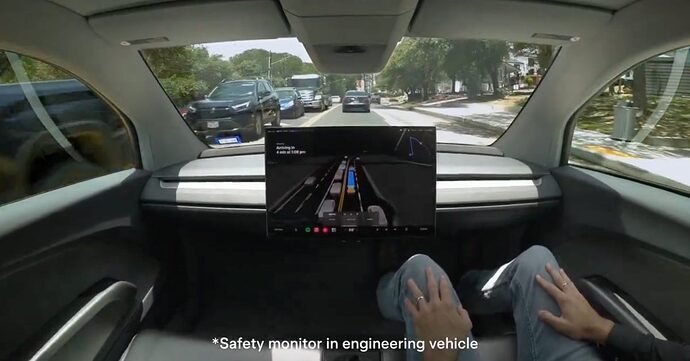
Tesla Cybercab mass production starts but Robotaxi fleet shrinks: Hardware inflation, software deflation


Source: Electrek "Tesla begins 'engineering tests' of first production Cybercab in Austin" (2026-06-30)
Key Excerpts
Tesla says it has started engineering tests of its first production Cybercab on public roads in Austin… a video shows the two-seater driving with a supervisor in the front passenger seat — a reminder the car still isn't operating on its own in Tesla's paid service.
Tesla's actual Robotaxi service in Austin has never used the Cybercab. Since launch, Tesla has run the rides on Model Y SUVs retrofitted with FSD. Today, Tesla only has a handful of vehicles operating without supervisors in Texas.
Physix Frontier Analysis
This is another replay of Tesla's classic script: "hardware leads, software lags." Mass-producing the Cybercab (the steering-wheel-less model already rolling off the line at Giga Texas) is a manufacturing engineering achievement; but what truly determines the commercial value of Robotaxi is whether FSD can really go fully driverless—and that timeline keeps slipping (v15 delayed to late 2026/early 2027). A sharper contrast: the active fleet size of driverless cars in Austin has slid from a peak of ~25 to ~14, while the actual paid service still runs on modified Model Ys, not Cybercabs. Waymo is already delivering ~500,000 fully driverless paid trips per week—that's the gap Tesla needs to fill. Conclusion: Tesla can build the car; the question has always been whether the software is good enough for scaled autonomy.
📎 Related: Tesla Robotaxi Service Expands to Miami | Autonomous Driving 2026: VLA, World Models, and End-to-End
⚠️ Fact-Check Note: Austin fleet numbers are tracked by third parties (Electrek), not officially disclosed by Tesla, pending cross-validation with Q2 2026 delivery/earnings data.

