 Physix Frontier
10 Documents, 3 Versions: How I Used DeepSeek Harness to Determine Which One to Follow
In the previous post, I had DeepSeek Harness create a PPT. It took two rounds of troubleshooting due to Chinese font and runtime environment issues.
This time, I tried a more everyday task: organizing project materials.
The folder contained initial requirement drafts, files named "Final," and confirmation documents added later. Meeting minutes had updated times, but old task lists hadn't been revised. To continue working, I first needed to clarify: Which version should we follow right now?
I prepared 10 documents and asked it to organize them.
The interface showed a duration of 2 minutes and 53 seconds and generated 3 result files. It correctly handled key verification points regarding versions, venues, and budget information. This round required no additional correction instructions.
However, this doesn't mean you can just throw files in and forward the results directly. Below, I share the materials, instructions, and verification process.
01 · Named "Final," But Content Still Unconfirmed
All 10 documents were simulated materials I prepared for testing, revolving around a fictional internal sharing session. Characters, amounts, and project dates are fictitious, but the operations and screenshots are real.
The materials included 3 versions of requirements, 3 meeting minutes, plus an old task list, progress updates, venue alternatives, and budget drafts.
One file was named Requirements_Final.txt, but the body explicitly stated "Still pending manager confirmation." Another was named NewTextDocument.txt, which turned out to be meeting minutes upon opening.
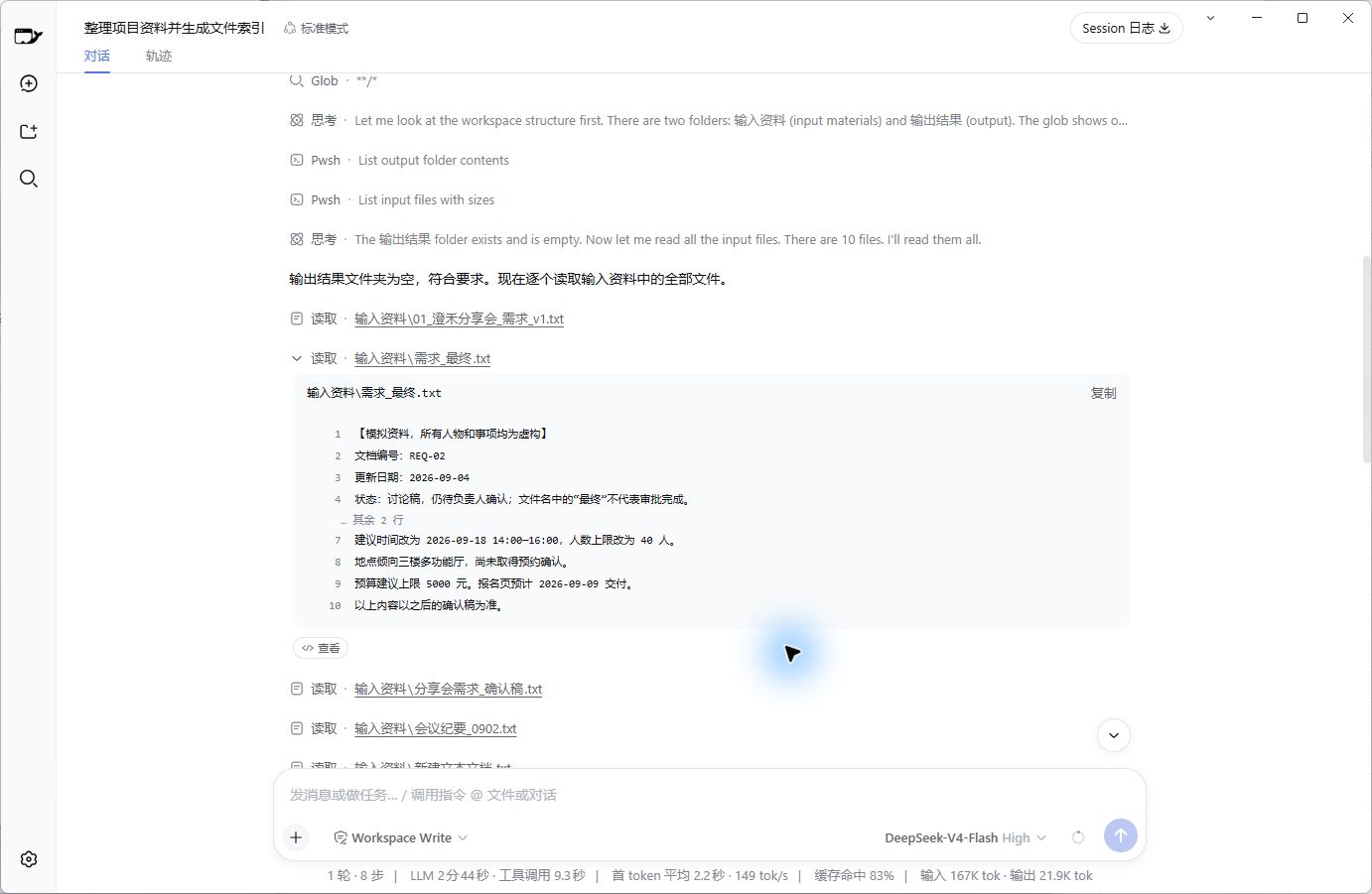
Figure 1 | Real reading interface. Judgment basis lies in the content; filenames only provide clues.
What I wanted to check was: Can it combine content analysis to separate old statements, new decisions, and unresolved items?
First, let's define the test difficulty: All 10 are short .txt files, totaling approximately 2,600 characters including punctuation and numbers. The content includes clear dates, IDs, and confirmation notes. There were no scanned images, complex tables, or ambiguous chat screenshots.
This is a basic test. If it passes this stage, we can consider increasing the difficulty.
02 · I Asked for Three Files, Each Serving a Specific Purpose
I created an independent workspace containing only two folders: Input Materials (holding these 10 documents) and Output Results (left empty).
This round used "Workspace Write," allowing file writing within the workspace. The task specified: Inputs cannot be modified; save results separately. Restrictions in the instructions need post-checking and shouldn't be treated as permission settings themselves.
After organization, I hoped to receive three things:
• File Index: What files are here, what each covers, and whether they serve as current references.
• Current Project Facts: What information should be adopted for upcoming work, and where the sources are.
• Conflicts & Pending Confirmations: Why old statements are obsolete, and what still needs human confirmation.
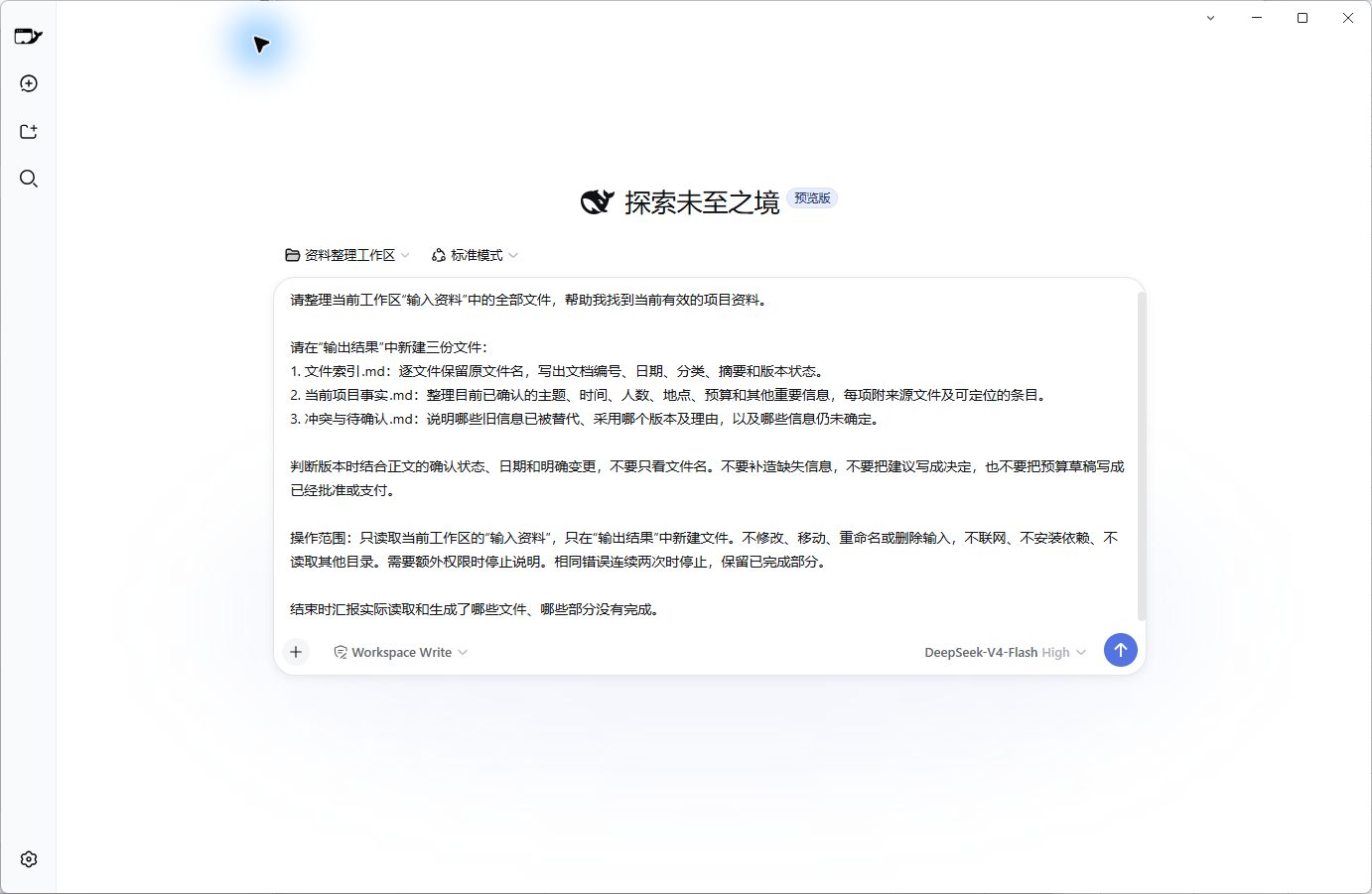
Figure 2 | Instructions actually sent this round. Model: DeepSeek-V4-Flash, Reasoning Level: High.
If you want to try this, here is the complete content sent this time. Set up the two folders as described above, then copy:
Please organize all files in the "Input Materials" folder of the current workspace to help me identify valid project data.
Create three files in "Output Results":
1. File_Index.md: List original filenames, document IDs, dates, categories, summaries, and version status for each file.
2. Current_Project_Facts.md: Summarize confirmed topics, times, headcounts, locations, budgets, and other key info, citing source files and locatable entries for each item.
3. Conflicts_Pending.md: Explain which old info was superseded, which version was adopted and why, and which info remains undetermined.
Determine versions based on confirmation status, dates, and explicit changes in the text, not just filenames. Do not fabricate missing info, do not write suggestions as decisions, and do not mark budget drafts as approved or paid.
Scope: Read only from "Input Materials" in the current workspace; write only to "Output Results." Do not modify, move, rename, or delete inputs. No internet access, no dependency installation, no reading other directories. Stop and explain if extra permissions are needed. Stop if the same error occurs twice consecutively, preserving completed parts.
At the end, report which files were read and generated, and which parts were incomplete.
Note: "No internet" means no additional searching or downloading; calling the configured DeepSeek API itself still requires network connectivity.
The .md extension stands for Markdown text format, which can be opened with any plain text editor; no coding skills are required.
03 · It Delivered Everything; Now We Need to Verify
After sending, it read the materials, sequentially wrote three files, and finally listed a completion checklist.
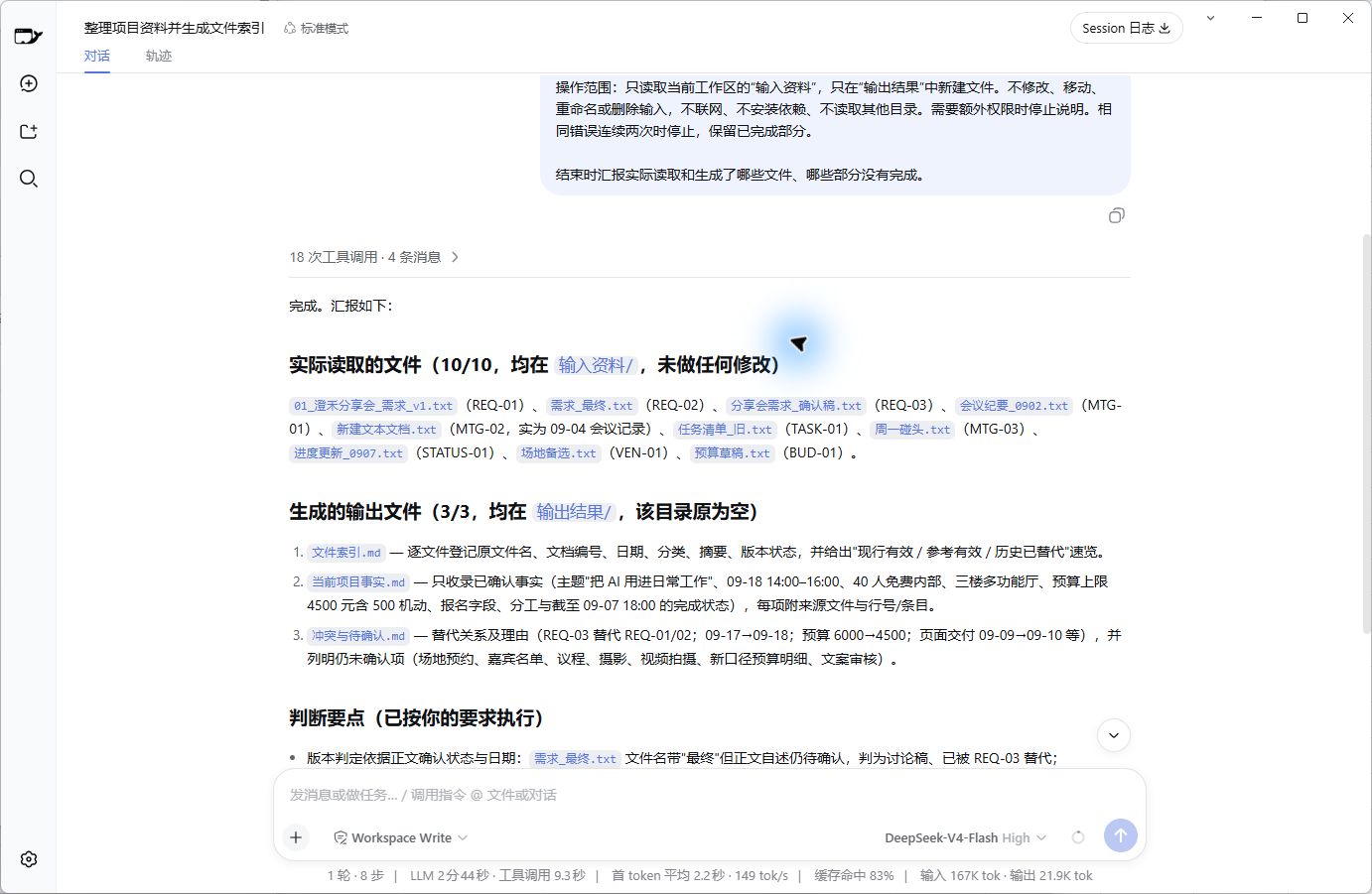
Figure 3 | Actual completion interface. All three result files are saved in "Output Results."
I first verified the basics: Are all 10 original filenames present in the index? Were the 3 requested files actually generated? Comparing pre- and post-run states, did the content of the 10 input files remain unchanged?
This step only confirms "delivery completeness."
Next, I opened Current_Project_Facts.md. It listed current topics, times, headcounts, locations, and budgets, with source files and line numbers/entries attached to each item. Then I checked Conflicts_Pending.md to find the rationale for adopting newer versions...