 Physix Frontier
I've Won Scholarships Every Year, and My AI Agent Deserves the Credit
What happened to people who didn't learn computers 20 years ago? Don't let your child miss out on AI again.
Degrees determine where a child starts; AI skills determine how far they can go in their career.
I. The Computer Lab of 2004: Some Were Already Different
I still remember my first time entering the school computer lab.
The CRT monitors were yellowish, the towers looked like washing machines, and they were incredibly heavy. I pressed the power button, and the screen flickered several times before lighting up. The teacher stood at the podium and said, "Students, today we're learning typing."
I stared at the keyboard, unable to find the letters for ages.
In the back row, someone was already secretly chatting on QQ. His family owned an internet cafe in town, so he'd been using computers since childhood. As for my family? My mother's exact words were: "Why buy a computer? You can't eat it."
Twenty years later. That guy who chatted on QQ went to Shenzhen to do foreign trade and now runs his own company. The one whose mom said "computers aren't food," is still working in a factory back home, earning just over 4,000 yuan a month.
He didn't lack intelligence or opportunity in that computer class. He simply missed the first train when the era shifted gears.
Around 2006, a crack quietly appeared in Chinese society.
The young people playing CS and chatting on QQ in internet cafes were scolded by their parents as "unproductive." Those buried in work on factory assembly lines felt that "computers have nothing to do with me."
Ten years later, that crack became a chasm.
Assembly lines began automating. Once ERP systems rolled out, promotion paths for those who couldn't use computers died instantly. Those who could moved into offices, took on management roles, worked in tech, and doubled their salaries.
You surely know people like this: Two workers in the same workshop. One gritted their teeth and signed up for a computer course, eventually moving into an office building. The other said, "At my age, why bother learning that stuff?" They are still stuck on the assembly line today.
It has nothing to do with who is smarter. It's about who adapted to the times first.
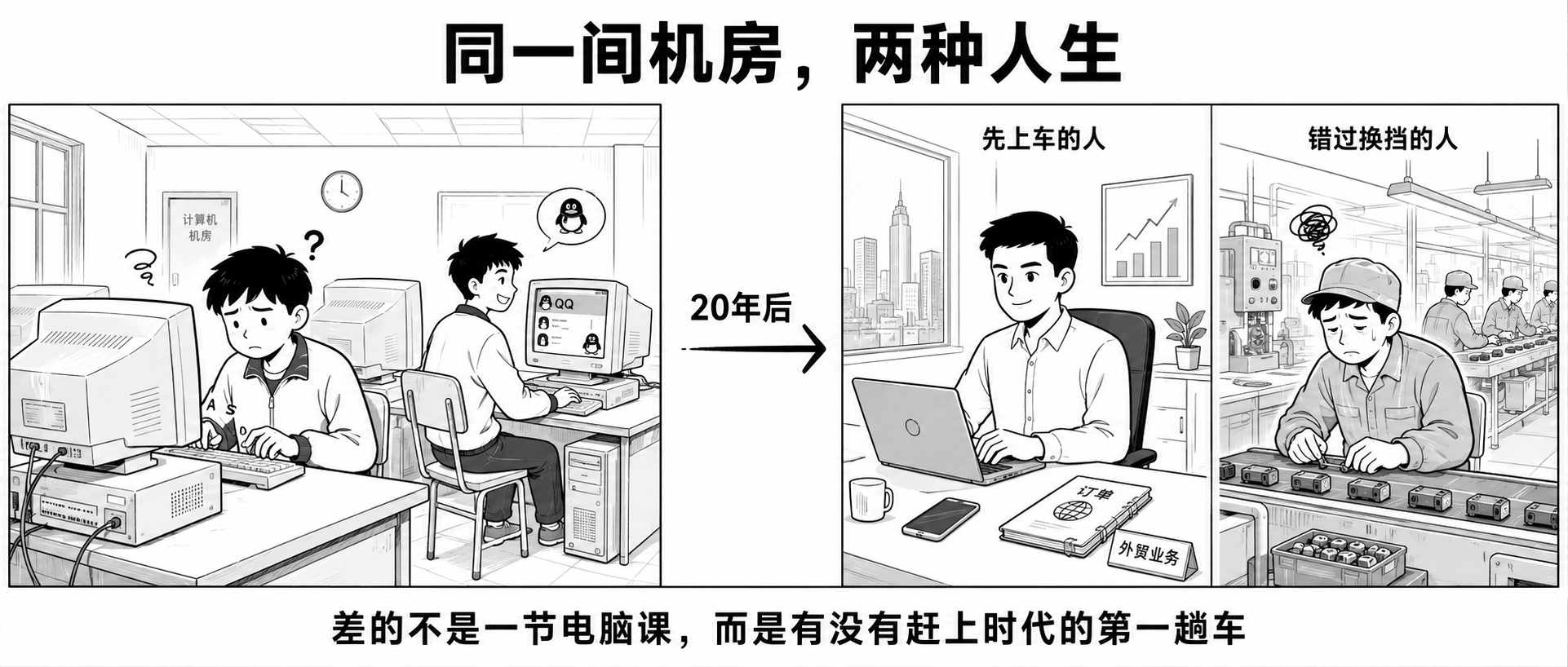
Image 1 · Same computer lab, twenty years later, different lives
Technological shifts never ask for permission. They don't eliminate people; they just make those who board the train run faster, while leaving those who stay behind further and further behind.
II. The Choice of 2010: We Got It Wrong Again
Around 2010, the second train arrived: smartphones and the mobile internet.
Some saw the potential. E-commerce operations, self-media, short videos—these sounded like gibberish then, but those who entered early reaped the benefits.
Others dismissed it. By 2020, when brick-and-mortar stores started closing en masse, they realized they knew nothing about the online world.
I know two people who graduated in the same year. One spent evenings after work learning office software and trying new tools; every job hop led to a better position. The other thought, "My current skills are enough; why study specifically?" Ten years later, the former leads projects and manages teams; the latter is still in the same place, saying, "I'm just not good at that kind of thing."
It wasn't about intelligence. When facing something new, one dove in headfirst, while the other stood on the shore watching.
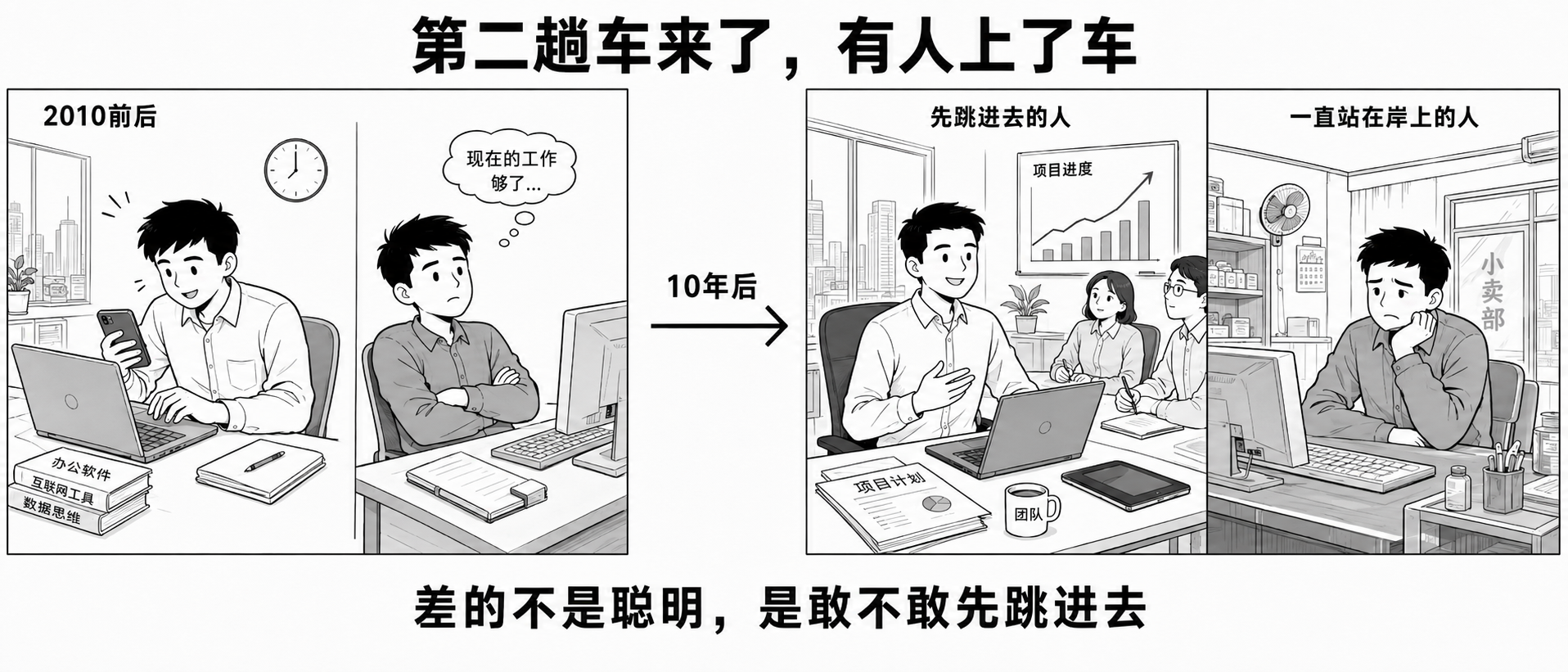
Image 2 · Some boarded the train, others stayed put
Time has a way of punishing those who watch from the sidelines.
III. In 2026, This Question Is Back on the Table
Now AI is here. It follows the same pattern as computers in 2006 and smartphones in 2010—it is becoming infrastructure.
Writing copy, making spreadsheets, researching, designing, coding—AI is involved in all of it. The way many jobs are done has already changed, and it's changing faster than any previous wave.
Computer adoption took over a decade; smartphones took about the same. For AI? It might only take three to five years.
It's not "AI replacing humans." It's people who know how to use AI leaving those who don't in the dust. Just like twenty years ago—computers didn't replace people; people who used computers replaced those who didn't.
IV. Degrees Are Tickets, But After Entering, It's About Something Else
To be honest: Degrees matter. They are the key to opening the door; without them, you can't even knock. This generation of parents has both suffered from and benefited by degrees, so there's no need to dance around that point.
But a ticket only determines your starting line. Once the race begins, what counts is something else entirely.
Here’s a true story. Two interns were asked by their boss to compile industry research simultaneously.
The one who didn't use AI worked overtime until 9 PM, browsing web pages article by article, submitting a decent report. The one who did use AI finished in two hours and added a comparative analysis across three additional dimensions.
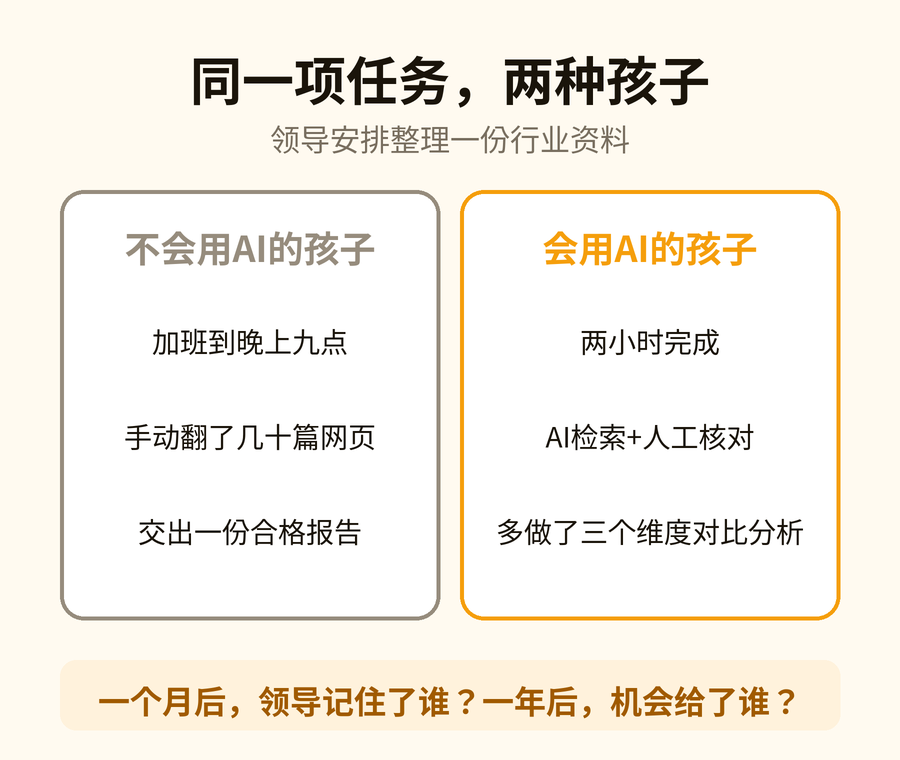
Image 2 · Same task, two types of children
Who do you think the boss remembers a month later? Who gets the opportunities a year later?
Go home and ask your middle-schooler: "Do you use AI?" Most likely, they'll reply, "Yeah, I chat with it and search for answers."
That's the problem. Chatting and working are completely different things. In the former, you are a consumer of AI; in the latter, you are its master.
Degrees determine which starting line your child stands on; AI skills determine how far ahead they can pull. Both must be prioritized.
V. What Parents Can Do Now
First, don't assume it's difficult just because you don't understand it. Every generation has things they don't know; that's normal. But "I don't know" should never become "my child doesn't need to learn."
Second