 Physix Frontier
8 Hours to the Space Station: How Much Is SpaceX's Business Worth?
The astronauts check their equipment and walk toward the spacecraft, and the departure scene looks almost routine. The "bare-bones ceremony" grabs attention, but what I want to know is: what turns such a complex mission into a business that can be delivered over and over again?
Putting this flight alongside contracts, audits, and financial reporting makes SpaceX's commercial advantage much more concrete.
01 First, Get the 8 Hours Right
At 10:00 AM Eastern Time on October 1, Crew-13 carried four astronauts and completed docking with the International Space Station in 7 hours and 55 minutes, setting a new record for a U.S. spacecraft. After that, leak checks, pressurization, and hatch opening are still required before entering the space station.
Space.com cited an explanation from a SpaceX official: the space station's position and orbital conditions made this path shorter. The speed record cannot be directly attributed to improved rocket performance. The Associated Press also noted that the mission had been delayed by three weeks due to a fuel system leak. The visuals look relaxed, but the checks behind them were not skipped.
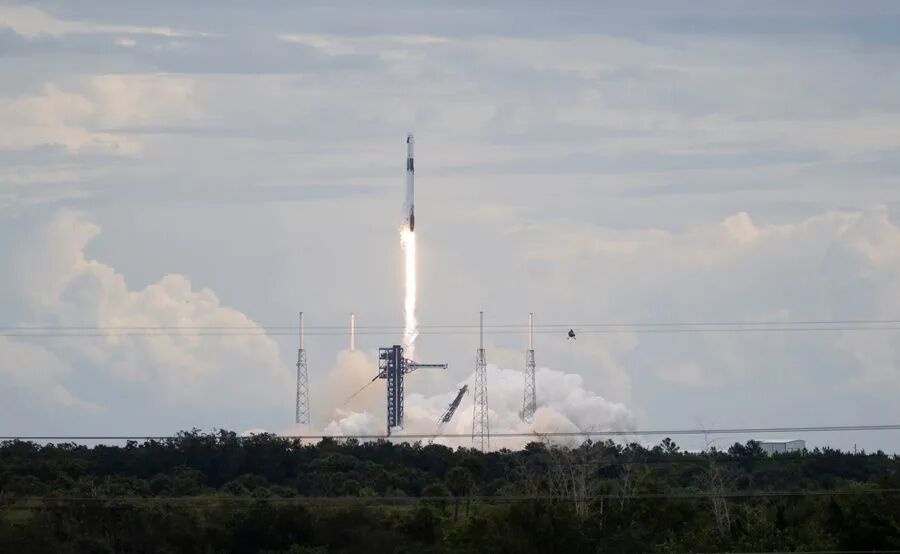
Crew-13 launched on October 1
02 The Money Is Paid for the Entire Service Package
Crew-13 is part of five additional missions NASA purchased in 2022, with a combined value of about $1.436 billion, covering ground preparation, launch, in-orbit operations, return and recovery, and emergency escape services during docking.
On September 18, NASA added another $946 million for three missions, bringing the cumulative crew transportation contract to $5.92 billion. This total spans many years and cannot be treated as revenue from a single flight, let alone profit. Long-term procurement allows SpaceX to arrange capacity in advance; how much it actually earns per trip still cannot be calculated from public materials.
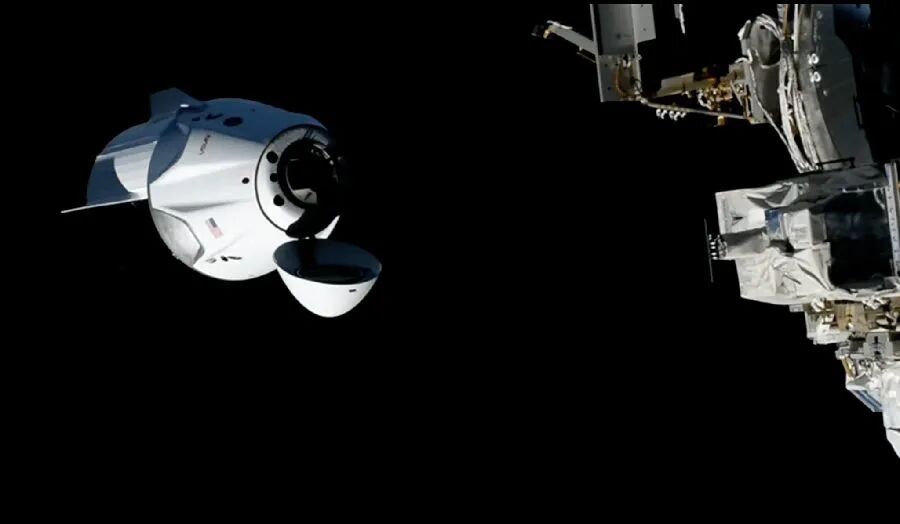
The Crew-13 Dragon spacecraft approaches the space station
03 Only What Can Be Delivered Wins Orders
A June audit by NASA's Office of Inspector General pointed out that Boeing's Starliner had still not obtained crew certification at that time. NASA had already spent an extra $17 million to carry out in advance SpaceX missions originally planned for Boeing.
This makes me value the delivery record even more. If customers need to continuously transport astronauts, they must purchase available capacity. However, NASA still wants to keep a second supplier to avoid a situation where one accident interrupts transportation. SpaceX's advantage is very real, but competition will not disappear because of it.
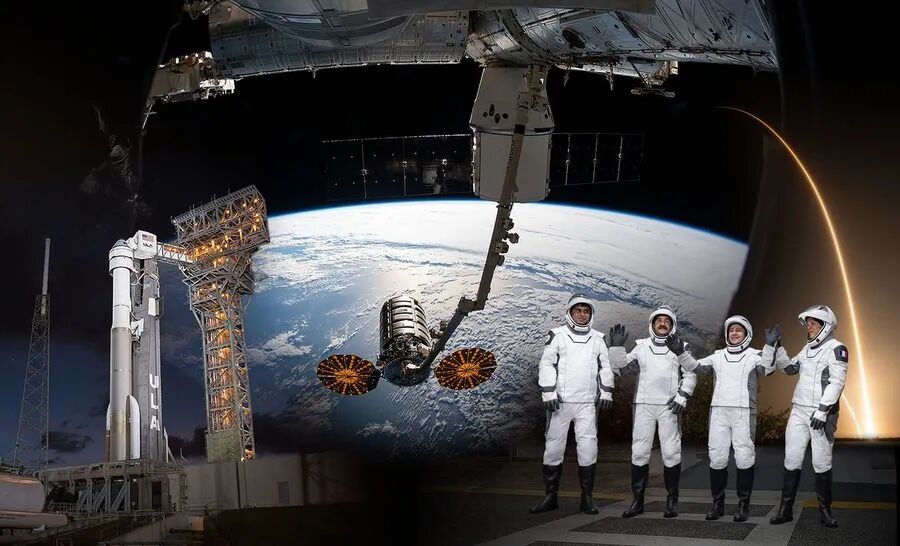
Collage of crewed and cargo system materials, including Crew-12
04 A Successful Launch Still Requires Looking at the Financial Books
In the 2025 financial figures disclosed by Reuters, SpaceX's revenue was $18.67 billion, with Starlink contributing about 60%, while the net loss for the same period was $4.94 billion. The company also bears large investments in AI and new rockets.
Crewed missions provide transportation revenue and also build up a reliability record; whether the group can be profitable still depends on other businesses and investments. The public lead-in from Barron's around the Crew-13 setbacks also included the expiration of share lockups as something to watch. Between launch progress and the stock price, there is still valuation and share supply in the way.
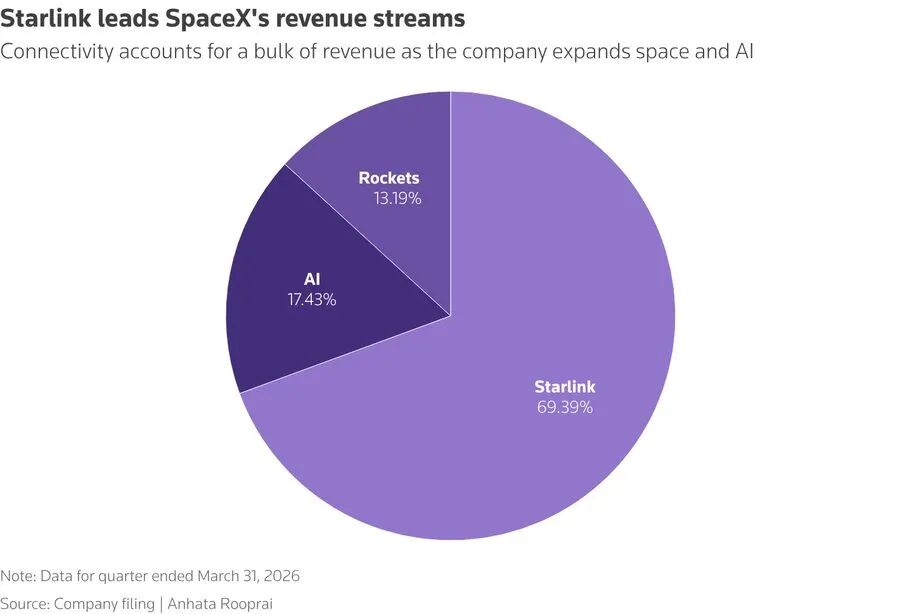
Figure 4: Q1 2026 revenue structure, different from the 2025 basis in the main text | Reuters
05 Where Are the Next Batch of Customers?
After arriving, Crew-13 will conduct research on stem cell tissues, crop cultivation, and health monitoring. Transportation supports specific uses. As the International Space Station is planned to operate until 2030, whether subsequent commercial space stations can generate sustained procurement will also affect transportation demand.
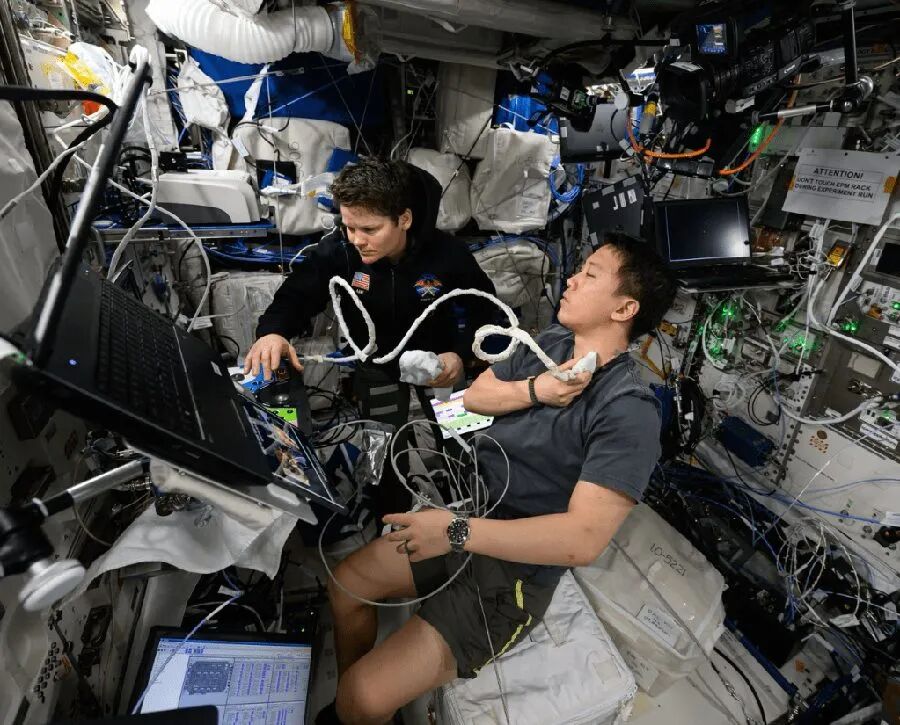
Reference image of blood flow research inside the space station, not an on-site image from Crew-13
My biggest takeaway from this mission is that the value of a technology company has to come down to repeated delivery. Reuse can reduce the need to manufacture new hardware, but refurbishment, inspection, and safety costs still have to be included. Going forward, what is worth watching in commercial spaceflight is the actual cost after reuse, and whether more customers will keep paying. Eight hours is eye-catching, but long-term orders and reliable service say more about how far the business can go.
Do you value SpaceX's speed record more, or its ability to turn space transportation into a long-term business?