 Physix Frontier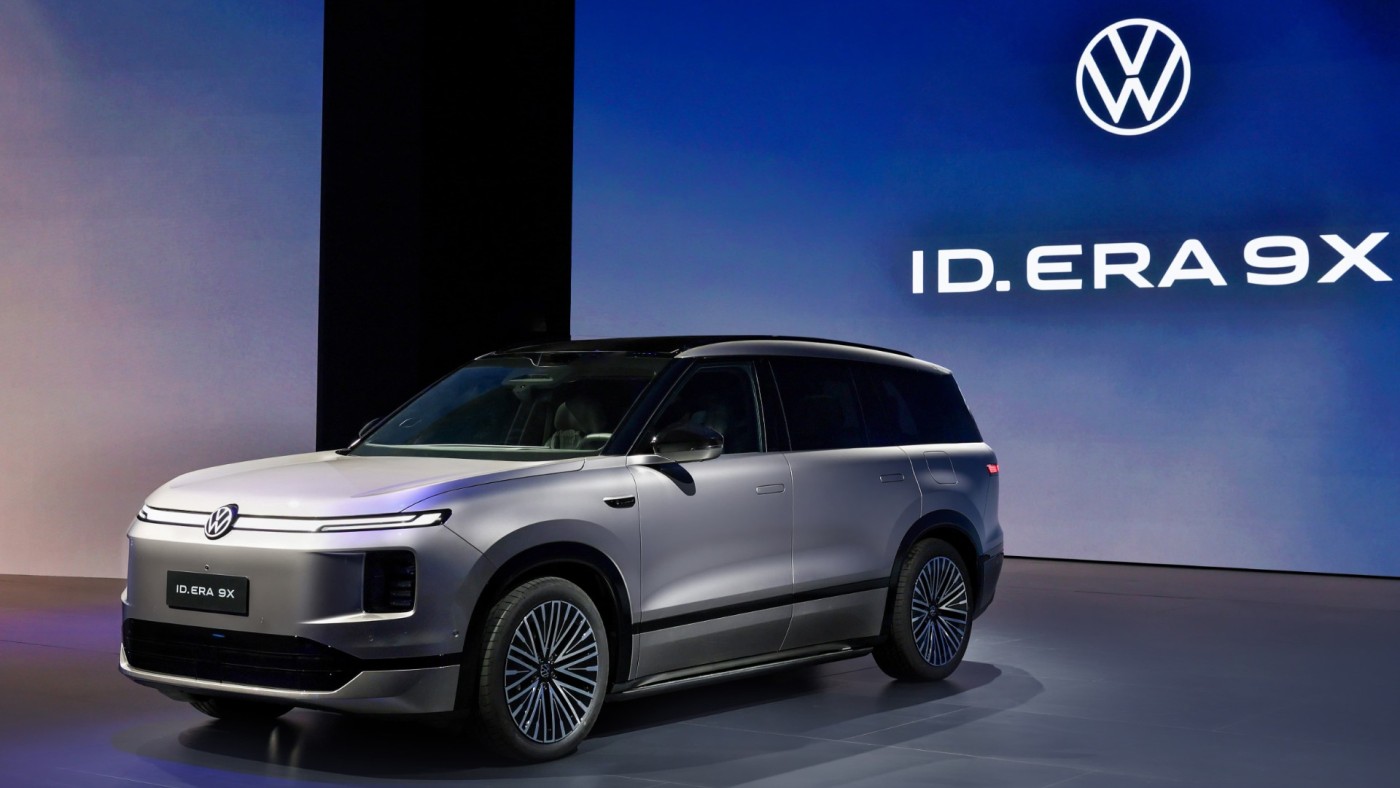
Xheart X7: How Does a Chip Get into a Mass-Production Car?
Xheart X7: How Does a Chip Get into a Mass-Production Car?
Our view is: with X7 entering the SAIC Volkswagen ID.ERA 9X, what is most worth attention is not a table of computing power specs, but that the chip, automotive-grade validation, and assisted driving solution have finally connected to the same mass-production vehicle. From "making a chip" to "getting an automaker to install it on schedule," there is a whole set of engineering delivery in between.
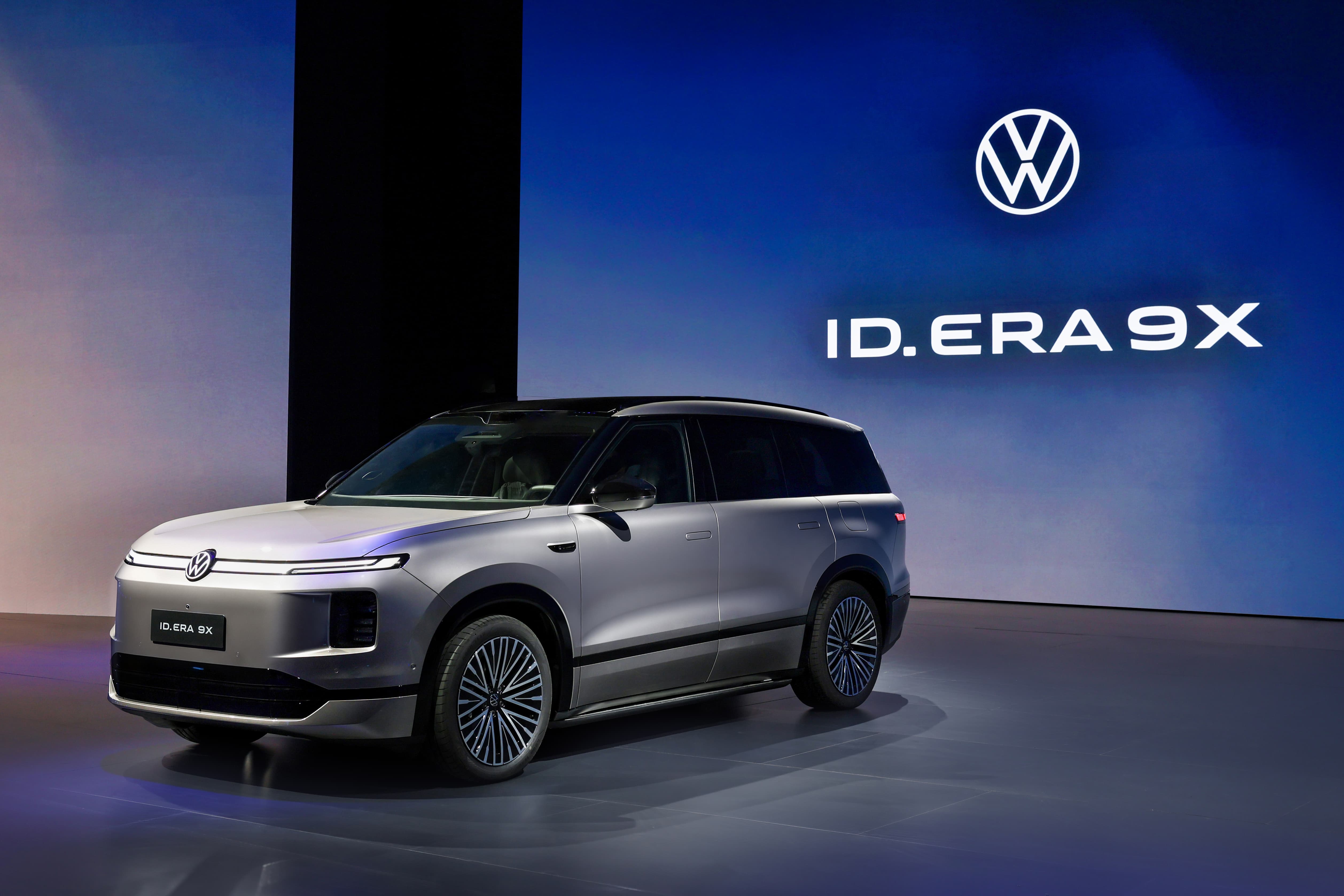
This path reached a clear landing point on April 25, 2026: the ID.ERA 9X officially launched. Three days later, Arm confirmed in its official Beijing Auto Show report that the Xheart X7 provides core computing power for the car's urban navigation assisted driving. X7 no longer appears only in product introductions, but is tied to a specific model.
Why is "getting into a car" much harder than "launching"? An intelligent driving chip must not only take in data from sensors, but also run assisted driving algorithms, and meet automotive safety requirements when faults occur. What automakers want is a solution that can be integrated into a whole vehicle project; looking only at TOPS numbers cannot answer these questions.
X7's product design already points to these tasks. Arm disclosed that X7 uses an automotive-grade Cortex-A720AE CPU and a dedicated NPU, and is adapted to run in-vehicle large models including Momenta R7; Xheart's published 10-gigabit Ethernet, PCIe 4.0, and safety MCU correspond to data access and safety control. The significance of these configurations is to give computing power a chance to become computing power that the whole vehicle system can actually use.
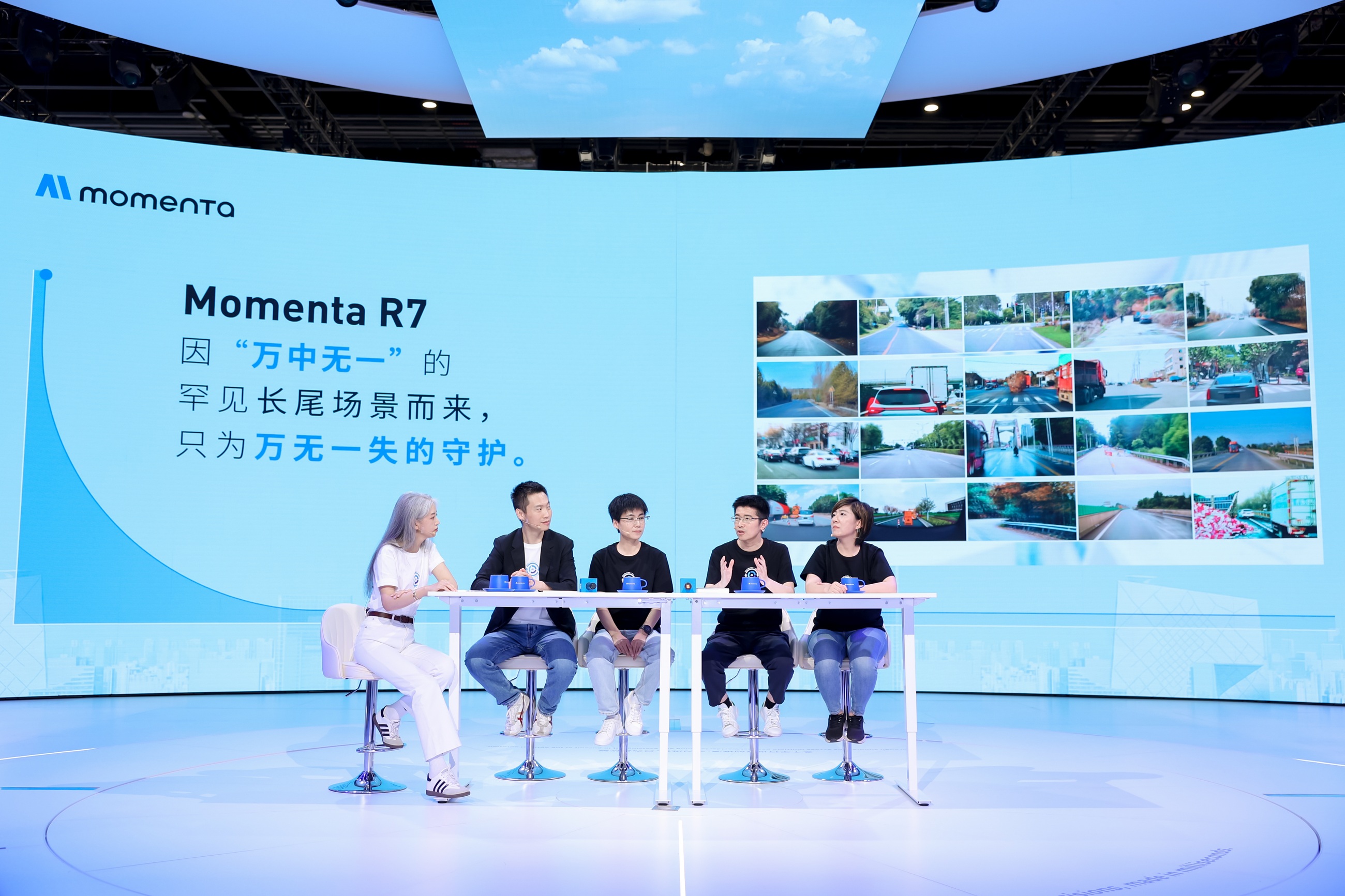
On the software side, the ID.ERA 9X chose Momenta's assisted driving solution. What the chip has to handle is not an abstract "AI task," but the computing requirements of this solution when it actually runs in the car. Arm confirmed the model association between X7 and the 9X, while Momenta confirmed that the 9X will carry the R7 world model; the public materials from both companies put hardware, algorithms, and model onto the same diagram.
Looking further back, X7 first had to obtain the safety and reliability basis for entering an automotive project. On February 6, Xheart announced that X7 obtained the AEC-Q100 automotive reliability validation certificate; on March 24, SGS issued it ISO 26262 functional safety ASIL-B and ASIL-D product certificates. One month later, the 9X launched. Connecting these three dates explains its stage better than saying "R&D was fast."
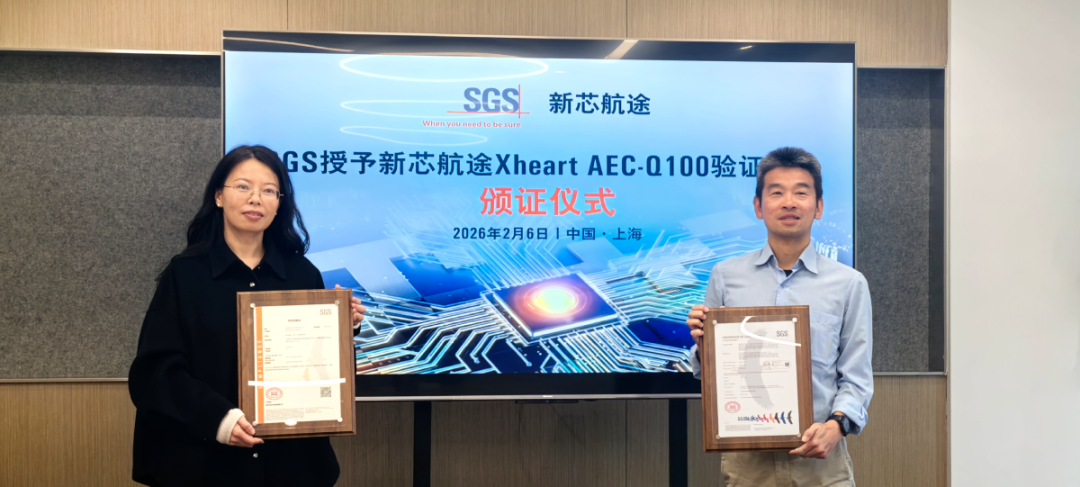
SGS disclosed that the X7 project took more than two years from project initiation to functional safety certification. The "more than two years" here has clear start and end points: from project initiation to certification; appearing with the 9X in April is a subsequent model milestone that can be verified. Certification is also not decoration at a launch event; it corresponds to the reliability and functional safety requirements that the automotive supply chain must examine.
Looking back at this car, the process of X7 getting onboard can be strung together along a public timeline: first there was a chip and algorithm adaptation aimed at assisted driving tasks, then automotive-grade validation was completed successively in February and March, and finally the 9X launched in April and Arm confirmed the installation. What is truly worth writing is that these efforts ultimately converged on a mass-production model.
This also draws the clearest achievement for X7 so far: it has moved from a chip product to a vehicle application. As for how tape-out, domain controller development, and whole-vehicle testing were arranged internally, public materials have not yet given a complete schedule, and a few certificates alone cannot reconstruct it. What can be confirmed is that X7 crossed publicly verifiable automotive-grade milestones and entered a mass-production car with the ID.ERA 9X; this is much more specific than broadly discussing "domestic chip breakthroughs."