 Physix Frontier
Robots Move from Showroom to Job Site: Three Numbers Investors Should Verify
Industry Watch · September 28, 2026
Robots Move from Showroom to Job Site: Three Numbers Investors Should Verify
On September 24, three sets of numbers appeared in the robotics industry that are worth looking at together: AgiBot said that the first batch of more than 300 robots entered Chimelong Spaceship Park, and the robot that marked its cumulative 20,000th unit off the line was also delivered to Chimelong; Xingwuzhong, a cleaning robot company interviewed by Shanghai Securities News, said it already has more than 100 devices operating in Hangzhou and 500 million yuan in orders on hand; and the International Federation of Robotics (IFR) reported that more than 600,000 new industrial robots were installed in factories worldwide in 2025, with 354,000 of them in China. The sources are respectively AgiBot's announcement, Shanghai Securities News report, and IFR statistics.
These three sets of numbers cannot be added together, nor can they be arranged into a single "embodied intelligence explosion" growth curve. The IFR figure counts industrial robot installations; Chimelong is the deployment of a single project; and Xingwuzhong's order amount comes from a company executive's statement, with the report not giving contract or payment details. For investors, the more important question is: after robots take up their posts, who pays, how much do they pay, and can they keep paying?
Number One: The Volume Account
AgiBot disclosed that the first phase of the Chimelong project deployed more than 300 robots, covering scenarios such as guided tours, science education, interactive entertainment, and hotel services; the unit delivered to Chimelong happened to be the company's cumulative 20,000th robot off the line. The company announcement gives the deployment scale, but does not disclose the contract amount, charging method, or project profit for this batch of equipment.
There are at least three different numbers here: units off the line show production capacity, deployment volume shows entry into real scenarios, and sales revenue is only the beginning of answering the question of commercial return. Understanding "the 20,000th unit off the line" as "Chimelong bought 20,000 units" would clearly misjudge the project's scale; likewise, directly understanding the deployment of more than 300 units as more than 300 units already generating profit is also premature.
The next step worth asking the company: were these robots purchased outright, leased, or jointly operated by both parties? How many effective tasks do they actually perform each day, and how many on-site staff are needed for maintenance? Beyond Chimelong, is there already a second paying scenic area replicating the same solution? These data have not been publicly disclosed so far, and we cannot fill in the answers for the company.
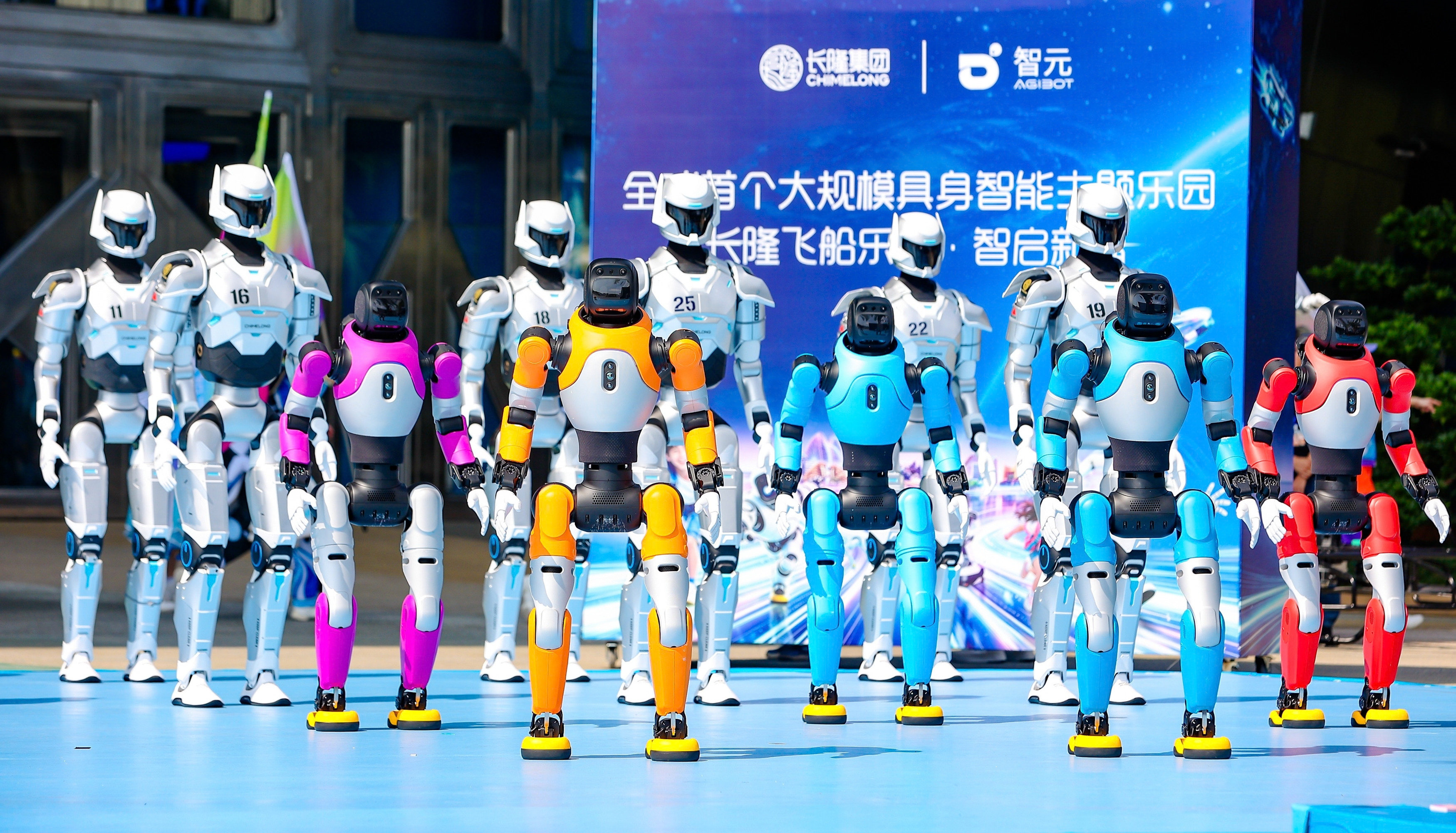
Figure 1: The launch event for the AgiBot and Chimelong project. Image: AgiBot official website. View image source
Number Two: The Order Account
When a Shanghai Securities News reporter interviewed at the Digital Trade Expo, a Xingwuzhong executive said the company had received more than 500 letters of intent, mainly from overseas; orders on hand reached 500 million yuan, and more than 100 robots were already operating in Hangzhou public restrooms. This information is more worth tracking than a simple booth demonstration, but the three definitions still need to be viewed separately.
Letters of intent indicate customer interest, not confirmed purchases; orders on hand depend on contract terms, delivery cycles, and cancellation conditions; actual payment received still has to go through production, acceptance, and payment. The report does not list how much of the 500 million yuan in orders has been signed, delivered, accepted, or paid, so it cannot be written as "already earned 500 million yuan."
The advantage of the cleaning scenario is that value is relatively easy to measure: how many cleaning tasks a device completes in a day, how many labor hours it can reduce, how many times manual takeover is needed for failures or complex situations, and how much the customer actually pays each month. Only by putting revenue together with equipment manufacturing, maintenance, and on-site staffing costs can one estimate whether a single site is worth operating long term.
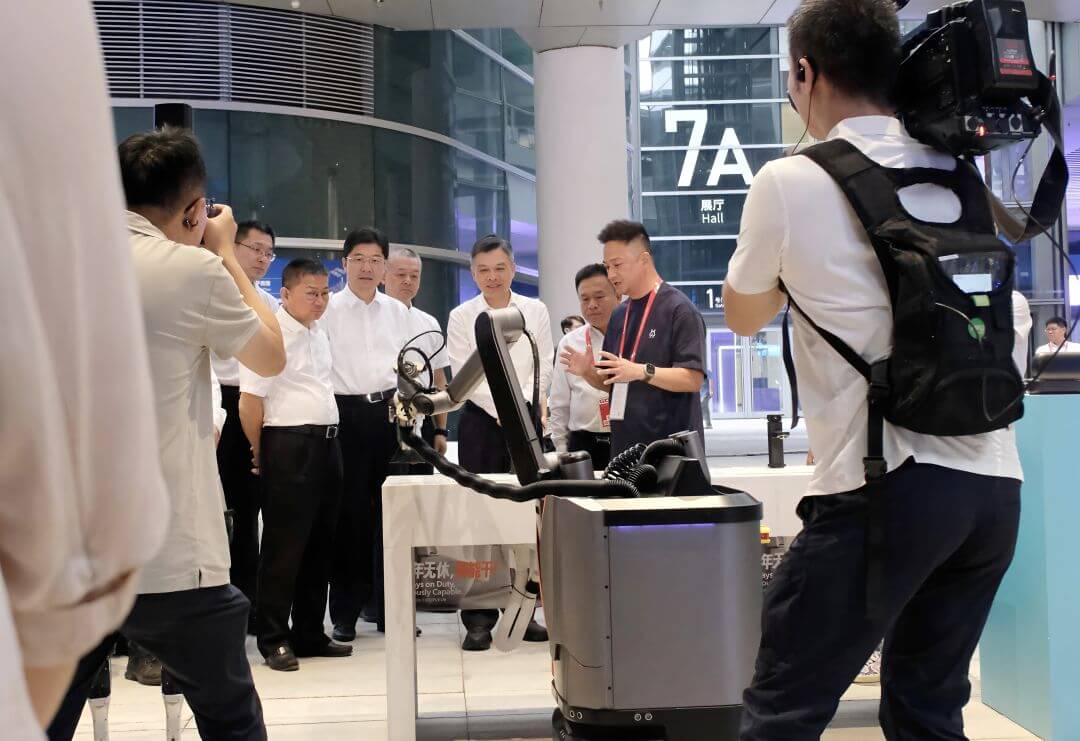
Figure 2: Promotional image of Xingwuzhong cleaning robot products. Image: Xingwuzhong official website. View image source