 Physix Frontier
Momenta's Overseas Profit Hurdle
Momenta's Overseas Profit Hurdle
Industry Observation October 7, 2026
Momenta is pushing its Robotaxi expansion plan overseas. On September 30, the company disclosed that Robotaxis equipped with its technology have exceeded 100 units in three countries, with a target of several hundred by year-end and several thousand by the end of 2027; Dubai, Europe, and Japan are the next markets it will pursue.
A fleet going from one hundred to one thousand vehicles is enough to stir the capital market's imagination. But we care more about this: for each additional vehicle, how much revenue can Momenta keep, and how much extra spending will it incur? This determines whether expansion can truly raise the company's value.
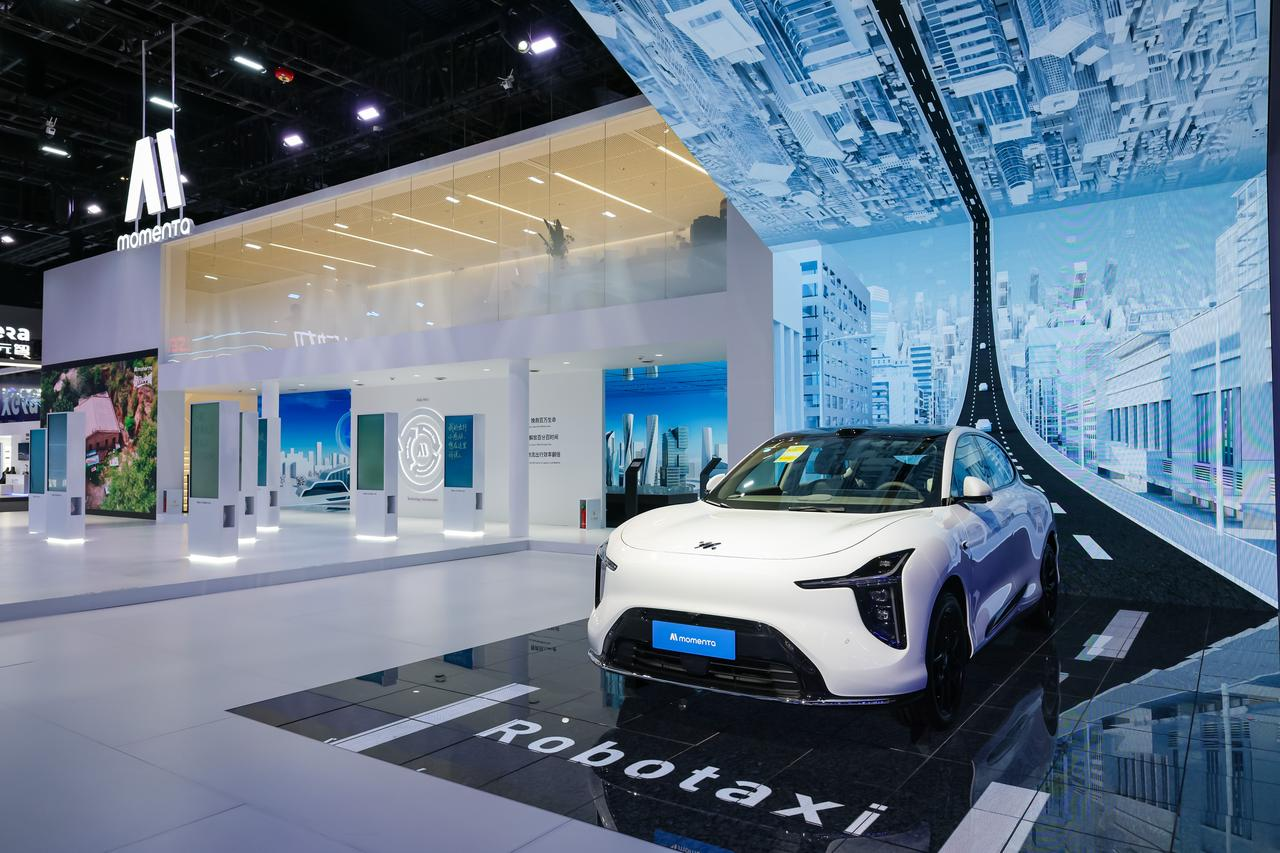
Momenta Robotaxi display vehicle
01.
First, Look at the Quality of Existing Revenue
Robotaxi is still growing, so existing revenue must first be broken down. In the first half of 2026, Momenta's revenue was 1.602 billion yuan, including 995 million yuan in development services and 607 million yuan in software licensing. Development services accounted for more than 60%, showing that engineering delivery for automaker projects remains important.
Software licensing expands with model mass production and has the opportunity to amortize R&D costs; development services depend more on project progress, acceptance, and personnel input. To judge revenue quality, we need to see whether the share of licensing revenue can rise and how many models the same technology can be reused across.
Mass production installation also provides a broader scenario base for algorithm iteration. We value the mutual support between this business and L4 R&D, but data accumulation from assisted driving will not automatically become a commercial moat for autonomous driving. Whether it can cover overseas road conditions, reduce long-tail problems, and then translate into lower takeover costs determines the value of the technological advantage.
In September, Momenta signed a global cooperation agreement with Dongfeng Peugeot Citroen Automobile Technology, under which it will develop advanced intelligent driving for new Peugeot and Jeep models. The cooperation expands the potential customer range, but there is still a long way to go before mass production installation and payment collection.

Signing ceremony between Dongfeng Peugeot Citroen Automobile Technology and Momenta September 24, 2026
02.
How Much Profit Can an Asset-Light Model Keep?
Momenta's approach is to provide autonomous driving capabilities to automakers and mobility platforms. Platforms bring orders, partners participate in vehicles and operations, and the company can reduce the burden of buying and maintaining cars itself.
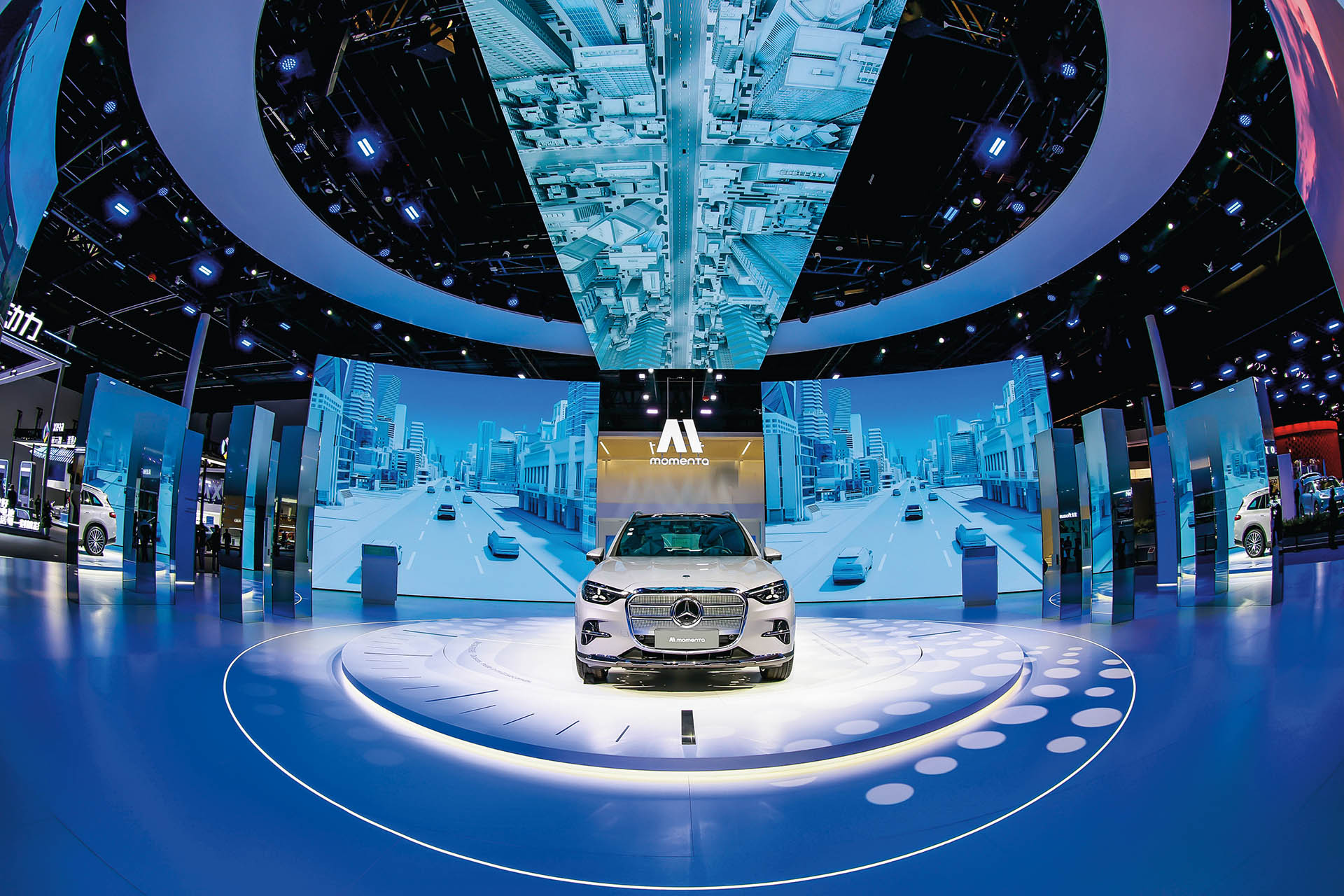
Models displayed by Momenta at the 2026 Beijing Auto Show
However, who bears capital expenditure and who earns profit are two different things. If software fees are charged per vehicle, revenue depends on the actual number of paying vehicles, the rate, and the number of billing months; if participating in operating revenue sharing, it also depends on order density, effective mileage, and the sharing ratio.
Platforms such as Uber and Grab control the passenger entry point and can also choose multiple technology suppliers. Whether Momenta can improve its bargaining power depends on whether it can reduce manual takeovers and improve operating efficiency, making partners willing to keep paying. The news value of a thousand-vehicle fleet must be realized through these operating results.
03.
Overseas Access Must Reach Paid Operations
Germany's nationwide urban road L4 testing permit provides conditions for Momenta to expand road testing, but testing qualification does not equal paid operation qualification. Entering a new city still requires continuing to complete local access and operational preparations.
Advancing in multiple locations at the same time can increase landing opportunities, but it also increases local engineering, safety verification, and operational support costs. We value more whether a city can first run a stable paid business and then replicate the deployment experience elsewhere.
The longer the partner list, the broader the market coverage; whether the business model holds ultimately depends on whether vehicles can continue operating in real orders and how many people and how much money new cities require.
04.<